Future Homes Standard
This is a subtitle for your new post
The Future Homes Standard (FHS) is the 2026 update to Part L of the Building Regulations for England, published in March 2026. It requires all new homes to produce at least 75% lower carbon emissions than homes built to the 2013 standards, requiring heat pumps, solar PV to be installed in addition to a significantly improved building fabric.
New homes must produce at least 75% less carbon emissions than homes built to the 2013 Part L baseline. This is a substantial step beyond the 2021 Part L uplift, which required a 30% reduction. The target is achieved through a combination of low-carbon heating, improved fabric performance, and on-site renewable generation :-
Low-Carbon Heating
- Air source heat pumps (ASHPs) or ground source heat pumps (GSHPs) will be the primary heating technology for the vast majority of new homes
- Heat networks with low-carbon sources are also acceptable
- Hybrid boilers and hydrogen-ready boilers will not comply with the standard
- Existing homes are not affected. Gas boiler replacements remain legal in existing properties
Solar PV
Requirement L3 makes on-site renewable electricity generation a functional requirement of Building Regulations. Developers must achieve PV coverage equivalent to 40% of the dwelling's ground floor area where feasible or install a “reasonable amount” where shade or orientation constraints apply. Combined with HEM's half-hourly modelling this means new homes will both generate and intelligently use renewable electricity, reducing bills and grid demand.
Enhanced Fabric Performance
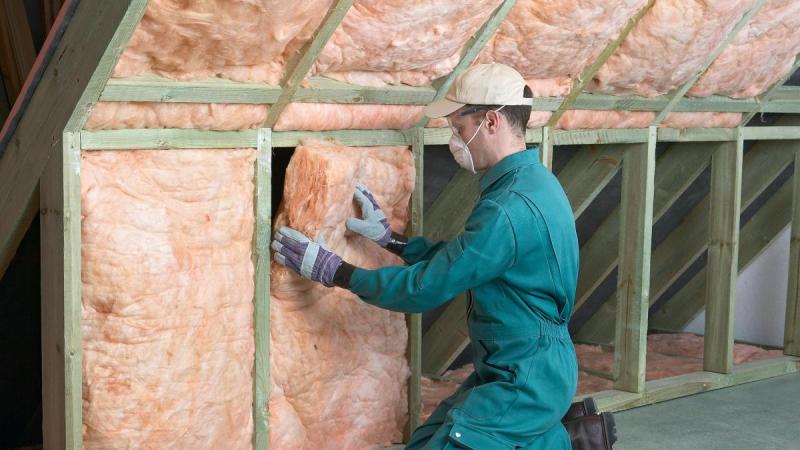
The FHS uses a whole-building performance approach, meaning builders can trade off between different fabric elements and systems. Each compliance route has its own notional dwelling specification, with different fabric values calibrated to achieve the same overall performance standard. Both use significantly improved values compared to current standards.
Air Tightness
The airtightness target of 3 m³/(h·m²) at 50 Pa is particularly significant. This is far tighter than the current regulatory maximum of 8 m³/(h·m²) and will typically require mechanical ventilation to maintain indoor air quality. The FHS notional dwelling specifies decentralised mechanical extract ventilation (dMEV), though many builders choose MVHR for the heat recovery benefits it provides in very airtight homes.
What Does “Zero Carbon Ready” Mean?
The government describes FHS homes as zero carbon ready ... this does not mean they produce zero carbon emissions on day one ... instead, it means they are designed so that they will become net zero carbon as the electricity grid continues to decarbonise.
A home heated by a heat pump and powered partly by solar PV will have progressively lower carbon emissions as the national grid shifts from fossil fuels to renewables ... by the time the grid is fully decarbonised (2035), a zero carbon ready home will produce zero operational carbon emissions without any further modifications.
This is why the FHS uses forward-looking carbon emission factors rather than the historical factors SAP relied on. HEM embeds these forward-looking factors in its calculation, automatically crediting the trajectory of grid decarbonisation.
Share this post